
Why long-form content is back and what that means for your publishing schedule
The content calendar said three posts per week. Every Tuesday, Thursday, Saturday. The analytics showed decent traffic on the 800-word pieces, so the schedule stayed. Then something shifted in the past year, and those same posts started disappearing from search results like they'd never existed.
What changed wasn't Google's algorithm, though that played a part. It was reader behaviour. The quick-hit articles that drove clicks in 2023 now feel thin against questions that actually need answers. People search "content marketing strategy" and want substance, not a listicle that skims the surface.
The metrics that made short content look successful
Short-form content won on two numbers: time to publish and immediate traffic spikes. A 600-word post could go live the same day it was assigned. The analytics dashboard showed visits, and visits meant success.
But those visits told a incomplete story. A HubSpot analysis of 6,000 blog posts found that articles under 1,000 words generated 56% fewer backlinks than longer pieces. The traffic came and left. The deeper articles kept working months later, pulling in readers who stayed, shared, and remembered the source.
The short posts were snacks. They satisfied the immediate hunger but didn't create the trust that turns readers into actual prospects. And yes, this creates a real scheduling problem, because publishing three substantial pieces per week isn't realistic for most teams.
Why search engines started preferring depth over frequency
Search algorithms shifted because user behaviour shifted. When someone searches "B2B email marketing," they're not looking for "5 Quick Tips." They want to understand how email fits into their actual business situation, with examples that match their industry and specific guidance they can use tomorrow.
Google's helpful content update in 2022 started the trend, but the change became obvious in 2024. Websites publishing daily thin content saw rankings drop while competitors publishing weekly in-depth pieces climbed. The algorithm started recognising when an article actually answered the question versus just mentioning the keywords.
This put publishers in an uncomfortable position. The content that ranked well took three times longer to research and write. The obvious response was publishing less frequently, but that felt like giving up momentum.
What "long-form" actually means in practice
The magic number isn't 2,000 words or 3,000 words. Long-form content means covering a topic completely enough that the reader doesn't need to search for the same information elsewhere. Sometimes that's 1,200 words. Sometimes it's 2,500.
A piece about "choosing project management software" needs to address budget ranges, team sizes, integration requirements, and specific product comparisons. The length follows the completeness, not the reverse. The reader should finish thinking "this covered everything I needed to know" instead of "now I need to find three more articles."
BrandDraft AI reads your existing content before generating new pieces, so it can reference your actual product names and previous articles instead of starting from generic industry language every time. This makes longer pieces easier to produce because the context is already there.
The publishing frequency dilemma
Publishing once per week instead of three times feels like moving backward. The editorial calendar looks empty. The social media manager asks where the content went. Leadership wonders if the marketing team got lazy.
But frequency was never the real goal. Consistent traffic was the goal. Building authority was the goal. Converting readers into leads was the goal. And one article that genuinely helps someone often delivers more of those results than three articles that skim the surface.
Buffer reduced their publishing schedule from five posts per week to two in 2024. Their organic traffic increased 23% over six months. The comprehensive pieces attracted links and social shares that their shorter content never earned.
How to balance depth with regular publishing
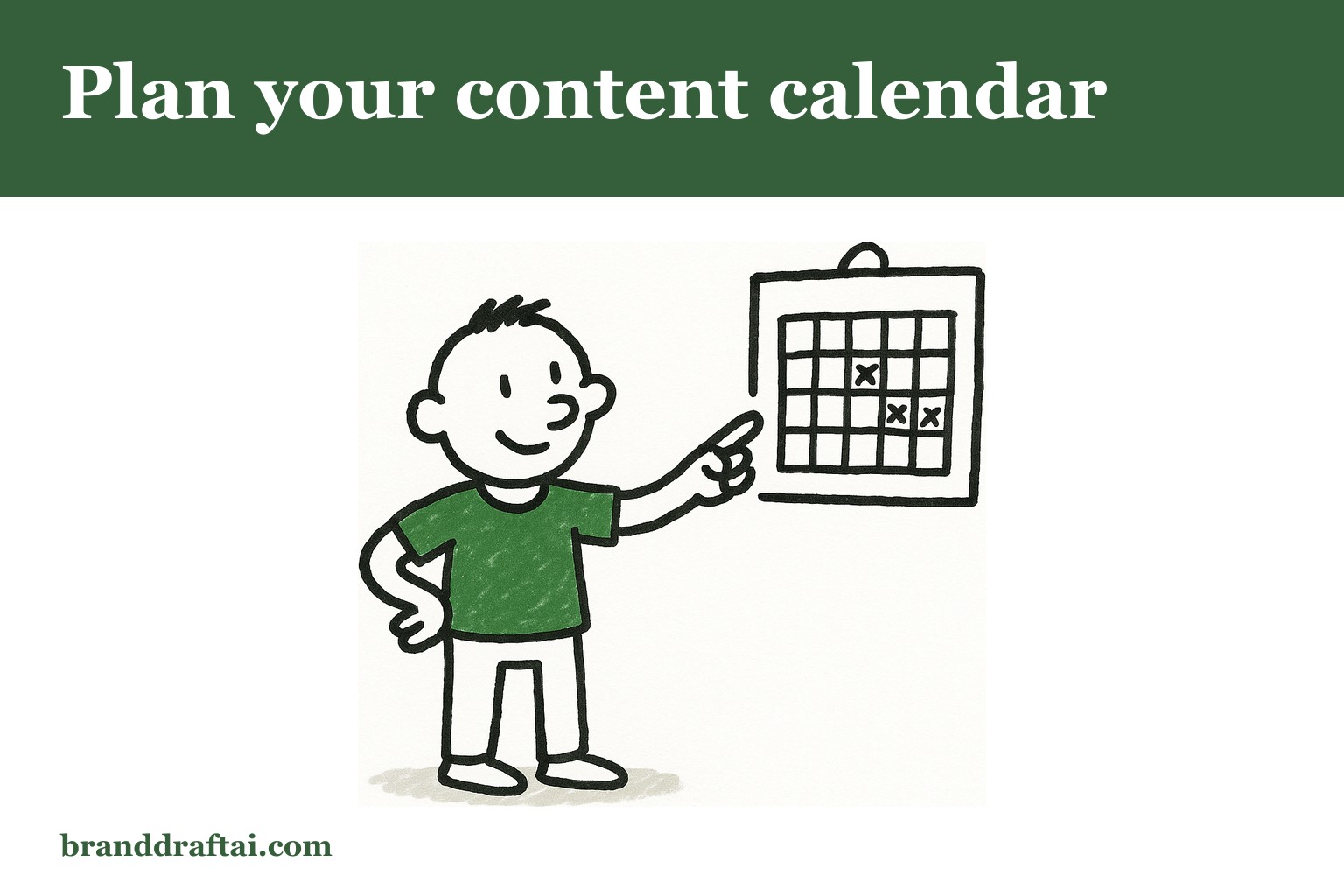
The solution isn't choosing between depth and frequency. It's structuring your content mix deliberately instead of defaulting to the same format for everything.
Split your content into two tracks. The cornerstone pieces get published monthly — comprehensive guides, detailed case studies, industry analyses that take real research. These are the articles designed to rank and get cited. HubSpot's long-form content research found that companies with at least four comprehensive long-form pieces generate three times more inbound links than those publishing only short-form content — which compounds into authority over time.
The regular content fills the gaps with updates, quick reactions to industry news, or practical tips that build on the cornerstone pieces. These don't need to be comprehensive because they're supporting the main content, not replacing it.
This approach solves the empty calendar problem while acknowledging that not every topic deserves 2,000 words. The weekly update about new platform features doesn't need the same depth as your annual guide to content strategy.
Why your content calendar needs fewer but better topics
Most editorial calendars list topics, not angles. "Social media marketing" appears in March. "Email marketing" gets April. The topics are broad enough that the resulting articles compete with thousands of similar pieces published every day.
Better calendars start with specific problems your actual customers face. Instead of "project management," it's "managing creative projects when clients change requirements mid-stream." Instead of "content marketing," it's "creating content when your B2B product is too technical for marketing to understand fully."
The specific angle gives you material for depth. Generic topics force shallow coverage because there's nothing unique to say that hasn't been said by everyone else in your industry. And the specific problems attract the readers who might actually become customers.
The real cost of switching approaches
Moving from frequent short content to less frequent long-form content costs momentum in the short term. Traffic dips for the first month or two. Social media engagement drops because there's less to share. The content team feels like they're producing less even though they're working the same hours.
But the alternative cost is higher. Short content that doesn't rank becomes invisible content. Publishing three times per week means nothing if none of those articles drive meaningful traffic three months later. The work disappears into the internet without trace.
Long-form content compounds. The comprehensive piece published in January still attracts new readers in June. The detailed case study gets referenced by other websites and builds links over time. The investment pays forward instead of evaporating after the first week.
Some topics still work better short. Product updates, quick tutorials, and timely news don't need deep analysis. But the content that builds authority and drives business results increasingly needs room to breathe. The pendulum swung toward depth because depth is what actually serves the reader , and what search engines learned to reward.
Generate an article that actually sounds like your business. Paste your URL, pick a keyword, read the opening free.
Try BrandDraft AI — $9.99