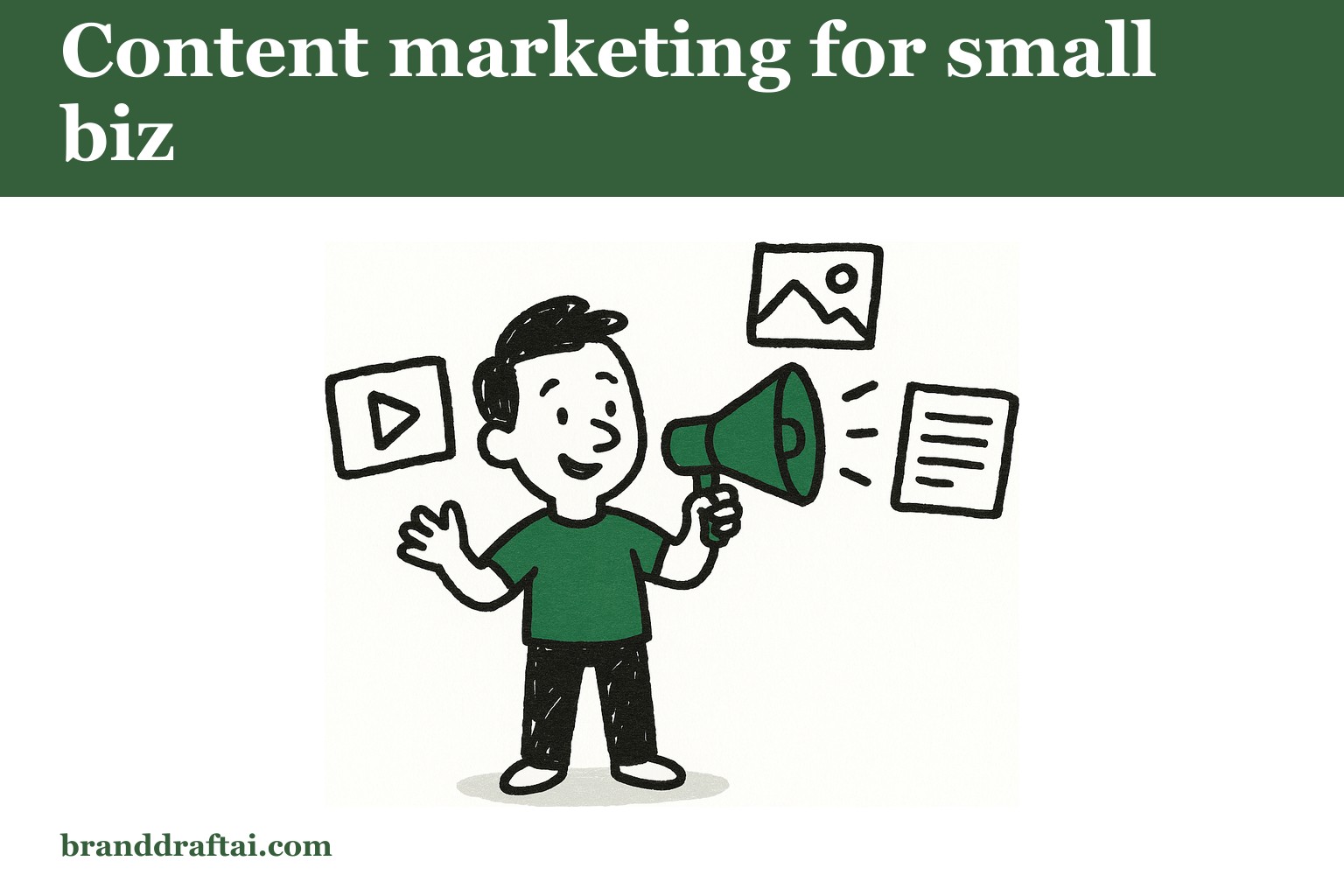

What is content marketing — and does it actually work for small businesses
The agency pitched three months of blog posts, social media content, and email campaigns. The proposal used "content marketing" seventeen times. Nobody asked what would actually get built or whether anyone would read it.
Most small businesses get sold content marketing like it's a proven system. Post twice a week, include keywords, track engagement. The missing piece: what makes someone choose your cabinet shop over the one down the street isn't blog posts about "5 Kitchen Trends for 2024."
The Real Question Small Businesses Should Ask
Content marketing works when it connects what you actually do to what potential customers need to know. Not industry insights or thought leadership. Specific information that makes the buying decision clearer.
A plumbing contractor in Denver publishes articles about what homeowners should expect during different repair jobs. Timeline, mess factor, when to call versus when to wait. That's content marketing working , answering questions that come up right before someone needs a plumber.
The bakery publishing recipes for engagement isn't doing content marketing. They're doing social media management with extra steps.
What Actually Counts as Content Marketing
Content marketing means publishing information that makes your business easier to buy from. The content itself isn't the product , it's what gets people comfortable enough to make the call.
This includes writing that explains your process, clarifies common misconceptions, or shows what good work looks like in your field. It doesn't include motivational quotes, industry news roundups, or anything you could copy from a competitor's website.
Real content marketing requires knowing what questions stop potential customers from moving forward. The HVAC company that explains why their estimates take two days while others give quotes over the phone , that's content marketing. They're addressing the friction point directly.
Why Most Small Business Content Fails
The content doesn't sound like the business. Someone writes about "innovative solutions" when the business owner talks about "fixing things that break." The disconnect is immediate.
Generic content gets generic results because it doesn't answer specific questions. "How to Choose a Contractor" could apply to anyone. "What to Expect When We Refinish Your Hardwood Floors" only fits one business.
And yes, specific content takes more work upfront , you can't batch-produce articles about your exact process. But it's the only version that actually moves the needle.
The Real Costs Nobody Mentions
Content marketing isn't just writing costs. It's the time to figure out what to write about, review drafts that miss the point, and explain why the article about "digital transformation" doesn't help anyone decide whether to hire your accounting firm.
A decent content writer charges $150-400 per article. Multiply by weekly publishing and you're looking at $600-1600 per month just for writing. Add strategy, editing, and the time you spend explaining what your business actually does , realistic monthly costs hit $1,500-3,000.
That's before considering whether anyone will read it. Most small business blog traffic comes from existing customers and people who already know the company name. The organic reach everyone promises takes months to build.
When It Actually Works
Content marketing works for small businesses when it replaces conversations you're already having. The questions prospects ask during consultations become articles. The explanations you give about your process become content.
That's the gap BrandDraft AI closes: it reads your website before generating anything, so the output already knows what your business actually sells and how you talk about it. This matters because content that sounds like your business performs differently than content that sounds like everyone else's.
A marketing consultant started publishing articles about specific client problems she'd solved. Not case studies , actual breakdowns of what went wrong and how she fixed it. Six months later, prospects were referencing those articles during sales calls. They'd already decided she understood their situation.
The Numbers That Actually Matter
Content Marketing Institute found that 70% of B2B marketers say content marketing increased lead generation. But that stat includes Fortune 500 companies with full content teams and million-dollar budgets. BDC's research on Canadian small business content shows the same relationship holds at much smaller scale — what changes is the lead volume, not the directional effect. For more on this, see our guide to AI content for Canadian small businesses.
For small businesses, the meaningful number is this: content marketing takes an average of six months to show measurable impact on leads or sales. Most businesses quit after three months when they don't see immediate results.
The businesses that stick with it see different patterns. Instead of dramatic traffic spikes, they get more qualified leads. People who call have already read about their process and pricing approach. Sales conversations become shorter because the content did the educational work.
What Works Instead of More Content
Better content beats more content every time. One article that perfectly explains what happens during your consultation is worth five generic industry overviews.
Some small businesses skip regular publishing entirely. They create a few pieces of content that answer the biggest questions, then focus on making those pieces easier to find. Three great FAQ pages often outperform thirty mediocre blog posts.
Email marketing to existing customers usually generates more immediate revenue than content marketing to strangers. The landscaper who sends seasonal maintenance reminders to past clients gets more business than the one publishing weekly garden tips for SEO.
Content marketing makes sense when you have specific expertise worth sharing and questions that only your business can answer well. If your content could work for any business in your industry, it probably won't work for yours.
Generate an article that actually sounds like your business. Paste your URL, pick a keyword, read the opening free.
Try BrandDraft AI — $9.99