
Zero-click search is real — here's what it means for your blog strategy
You published a detailed guide to enterprise security protocols. It ranked third for "data encryption best practices." The impressions looked great in Search Console , 12,000 views last month. The clicks? Forty-seven.
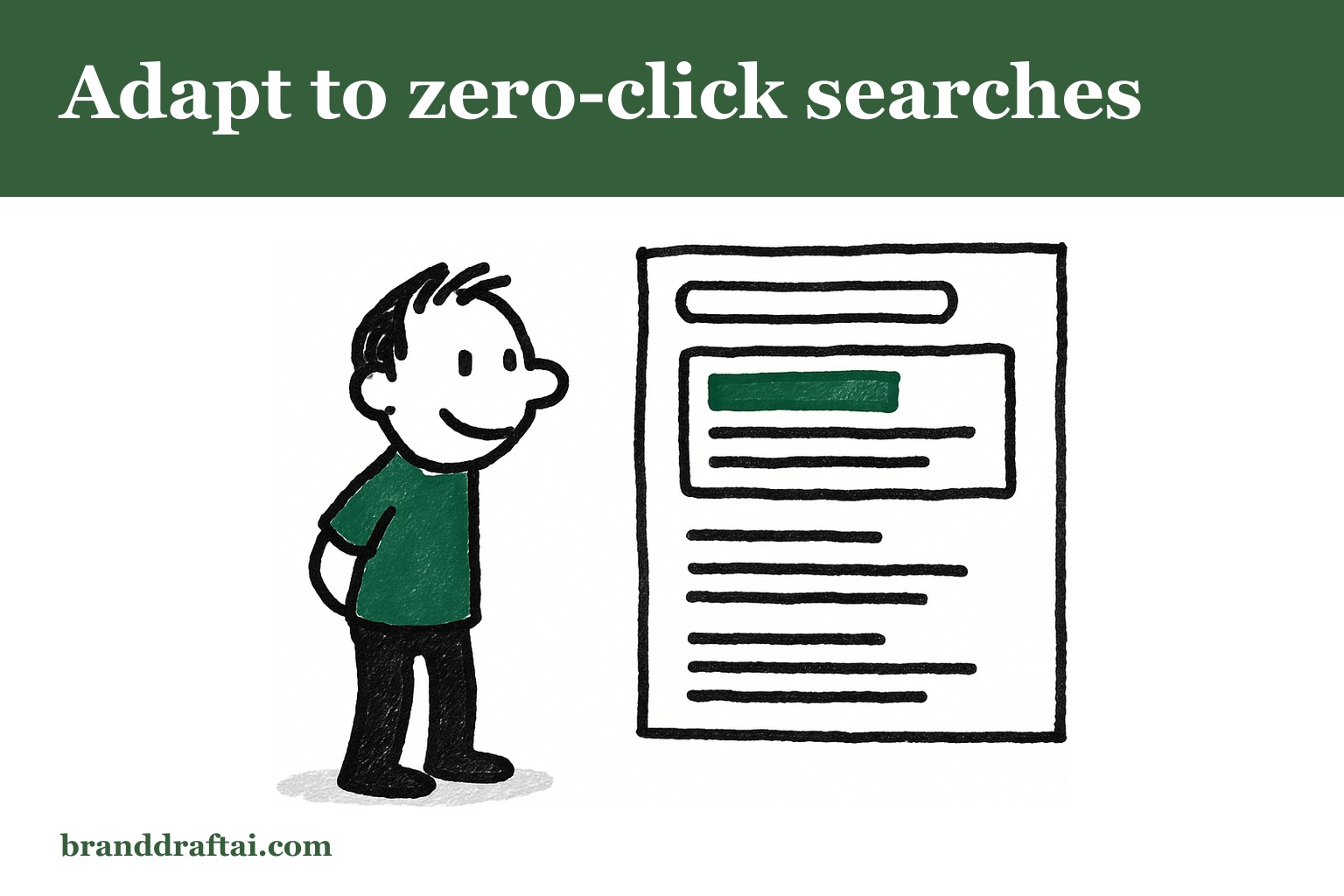
That's zero-click search doing exactly what Google designed it to do. More than half of all searches now end without anyone leaving Google's results page. The searcher gets their answer from featured snippets, knowledge panels, or AI overviews, then moves on with their day.
Your content still worked , it just worked for Google instead of you.
The math that changed everything
Semrush's zero-click research tracks the ongoing shift: SparkToro data showed 50% of searches ending without a click in 2019, rising to nearly 58% by 2022. The implication for content strategy isn't to stop publishing — it's to stop writing content that works as a summary and start writing content that works as a destination.
The pattern shows up differently across search types. Informational queries , "how to encrypt files" or "what is two-factor authentication" , rarely generate clicks anymore. Google's AI overview or featured snippet answers the question directly. Commercial queries still drive clicks, but even there, Google Shopping results and local packs intercept traffic before it reaches your site.
Here's what this looks like in practice: someone searches "password manager comparison." Google shows a featured snippet comparing LastPass, Dashlane, and 1Password. The searcher reads the comparison, picks LastPass, and searches "LastPass pricing" next. Your detailed password manager review that took six hours to research? It fed Google's answer but never saw the searcher.
Why traditional blog metrics became fiction
Most content strategies still chase metrics that made sense when clicks were guaranteed. You track keyword rankings, organic impressions, and click-through rates like they tell the complete story. They don't.
A first-position ranking for "data backup strategies" might generate 8,000 impressions and 300 clicks. Looks decent until you realize 7,700 people got their answer without visiting your site. Your content educated them, built authority with Google's algorithm, and generated zero business value for you.
The disconnect creates a strange situation where your content succeeds and fails simultaneously. It ranks well, answers questions accurately, and builds topical authority , but never connects you with the people who need what you're selling.
Content that survives the zero-click world
Some content types still generate clicks consistently. The key is creating needs that can't be satisfied with a two-sentence answer.
Interactive content forces clicks by nature. Calculators, assessment tools, and configurators can't work inside a search snippet. A "security audit checklist" might get featured, but a "custom security assessment tool" requires a visit to your site.
Brand-specific content also survives because Google can't answer questions about your particular approach. Generic topics like "network security basics" get absorbed into AI overviews. Content about "how our managed security service handles threat detection" stays click-worthy because only you can provide that information.
Transactional content , pricing comparisons, product demos, buying guides , still drives traffic because Google hasn't fully replaced the purchase decision process. Yet.
The Google dependency problem
Focusing entirely on featured snippets and AI overviews means building your content strategy around Google's priorities instead of your business goals. You're essentially working for Google for free, feeding their AI systems with well-researched content that keeps users in their ecosystem.
This dependency becomes dangerous when Google changes direction. The Search Generative Experience rolled out gradually throughout 2023, and sites that relied heavily on informational traffic saw massive drops in click-through rates. Content that had driven steady traffic for years suddenly became invisible to actual humans.
And yes, you could argue that brand exposure through featured snippets has value , but exposure doesn't pay invoices or generate leads.
Building content that Google can't steal
The most click-resistant content requires context that only your business can provide. Instead of writing "how to choose cybersecurity software," write about the specific decision framework your clients use, the mistakes you see repeatedly, or the questions prospects ask during sales calls.
This approach works because it's genuinely unique. BrandDraft AI reads your website before generating anything, so the content references your actual services and methodology instead of generic industry advice. The resulting articles can't be easily absorbed into AI overviews because they're tied to your specific business context.
Case studies and client stories resist zero-click search naturally. Google can't summarise "how Company X reduced security incidents by 60%" without sending traffic to the full story. The snippet might mention the outcome, but the details , the ones that actually persuade prospects , require clicking through.
When zero-click search actually helps
Featured snippets aren't always traffic thieves. Sometimes they work like billboards , they don't generate immediate clicks, but they build recognition that pays off in later searches.
Someone searches "network security audit checklist" and sees your content in the featured snippet. They don't click because the snippet answers their immediate question. Three weeks later, they search "Chicago network security audit services" and remember your company name from that earlier snippet. That's attribution you'll never see in Google Analytics.
Brand awareness through search snippets works best for local businesses and specialised services where name recognition directly influences purchase decisions. It's harder to measure but potentially more valuable than direct click traffic.
The search behaviour shift
Zero-click search reflects how people actually want to search , quick answers to immediate questions without the friction of loading new pages. Fighting this trend means fighting user behaviour, which rarely works long-term.
The smarter approach is creating content that acknowledges this reality. Write to answer the immediate question in a way that creates a new, more specific question. Your featured snippet about "data backup frequency" might end with "but backup frequency depends on your specific compliance requirements" , creating a natural next search that's more likely to generate clicks.
This requires thinking beyond individual pieces of content toward content sequences that guide searchers through increasingly specific queries until they need to contact you directly.
The challenge isn't that Google steals your traffic. It's that most content strategies haven't adapted to a world where being helpful and being profitable require different approaches. The businesses that figure out this balance first will own the next phase of content marketing.
Generate an article that actually sounds like your business. Paste your URL, pick a keyword, read the opening free.
Try BrandDraft AI — $9.99